RAMONA
written and directed by Rezo Gabriadze
SPAZIO BIGNARDI
14 and 15 November 2026
running time: 60 minutes
recommended for ages 12 and over
performance in Georgian with Italian surtitles
with Tamar Amirajibi, Badri Gvazava, Mikheil Barnovi, Beno Jijiashvili, Mariam Ikoshvili, Nino Migriauli
voices Nino Kasradze, Zaza Papuashvili, Aleksei Kolgan, Roman Kartsev, Rusudan Bolkvadze, David Dvalishvili, Ruslan Mikaberidze, Nino Arsenishvili, Rezo Tavartkiladze, Nana Shonia, Merab Sharikadze, Denis Surnov, Badri Gvazava
light design Mamuka Bakradze
sound David Khositashvili
artistic direction Leo Gabriadze
production management Veronika Gabriadze
technical management Mamuka Bakradze
production Théâtre Gabriadze (Tbilisi, Georgia)
with the support of Ministero della Cultura della Georgia

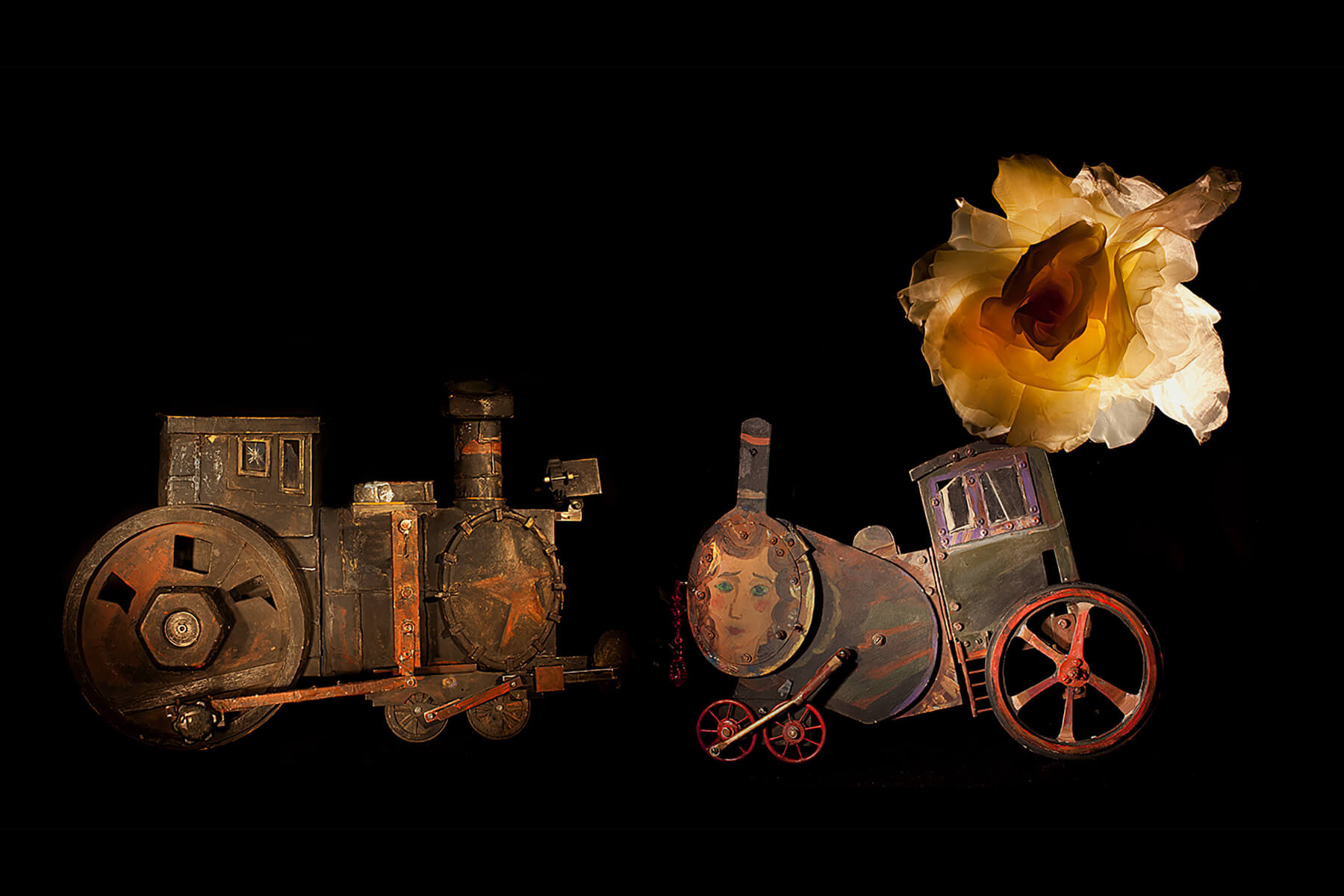
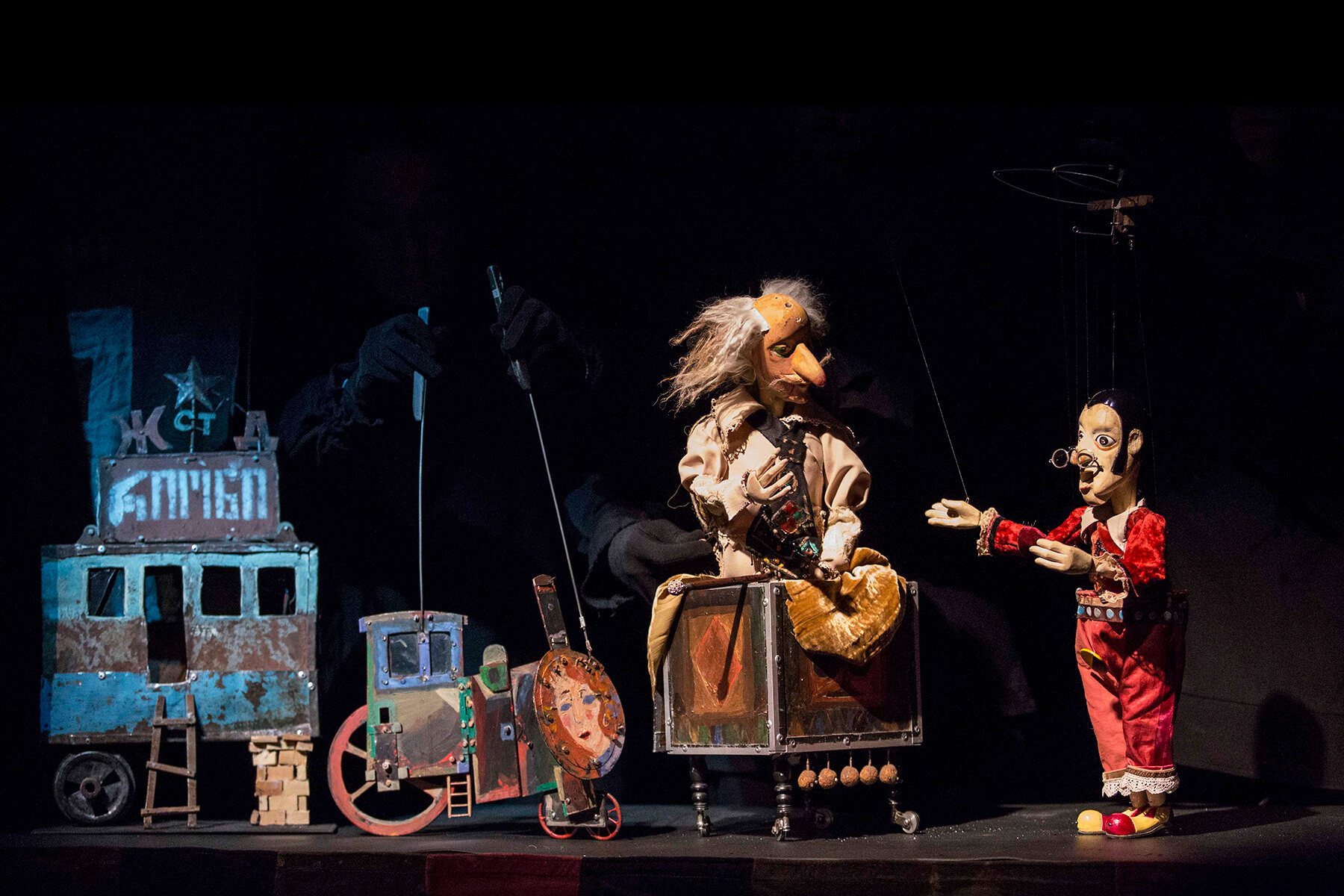
Ramona tells the story of a romance between two steam locomotives. The story is set after the Second World War at a small railway station called Rioni. Ermon, the powerful locomotive, is sent to distant places to ‘complete the five-year plan in four years’, whilst Ramona, a shunting locomotive capable of travelling only 300 metres in either direction, remains at the station waiting for her husband. Her days are filled with sweet memories and sadness at Ermon’s absence. The separation lasts for months, then years. Ramona’s life changes radically when a travelling circus troupe arrives in town. The couple will be reunited, but under what circumstances remains a mystery until the very last moment.
Rezo Gabriadze, the creator of a unique theatrical style that blends humour and melancholy in a world of incredibly human marionettes, describes his journey towards Ramona as follows: “Kipling once said that a locomotive is, after a marine engine, the most sensitive thing man has ever created… The word ‘locomotive’, long forgotten and yet so warm, awoke in my mind, breathing out clouds of steam, with a hoarse voice, scented with coal smoke even when it rained. The locomotive led me towards another joy: the circus big top of my childhood. And these two motifs came together: the locomotive and the big top. They were things that seemed to have long since disappeared, and I felt the need to recount that sense of paradise in which I had once found myself – undeservedly so – and from which life had exiled me.”
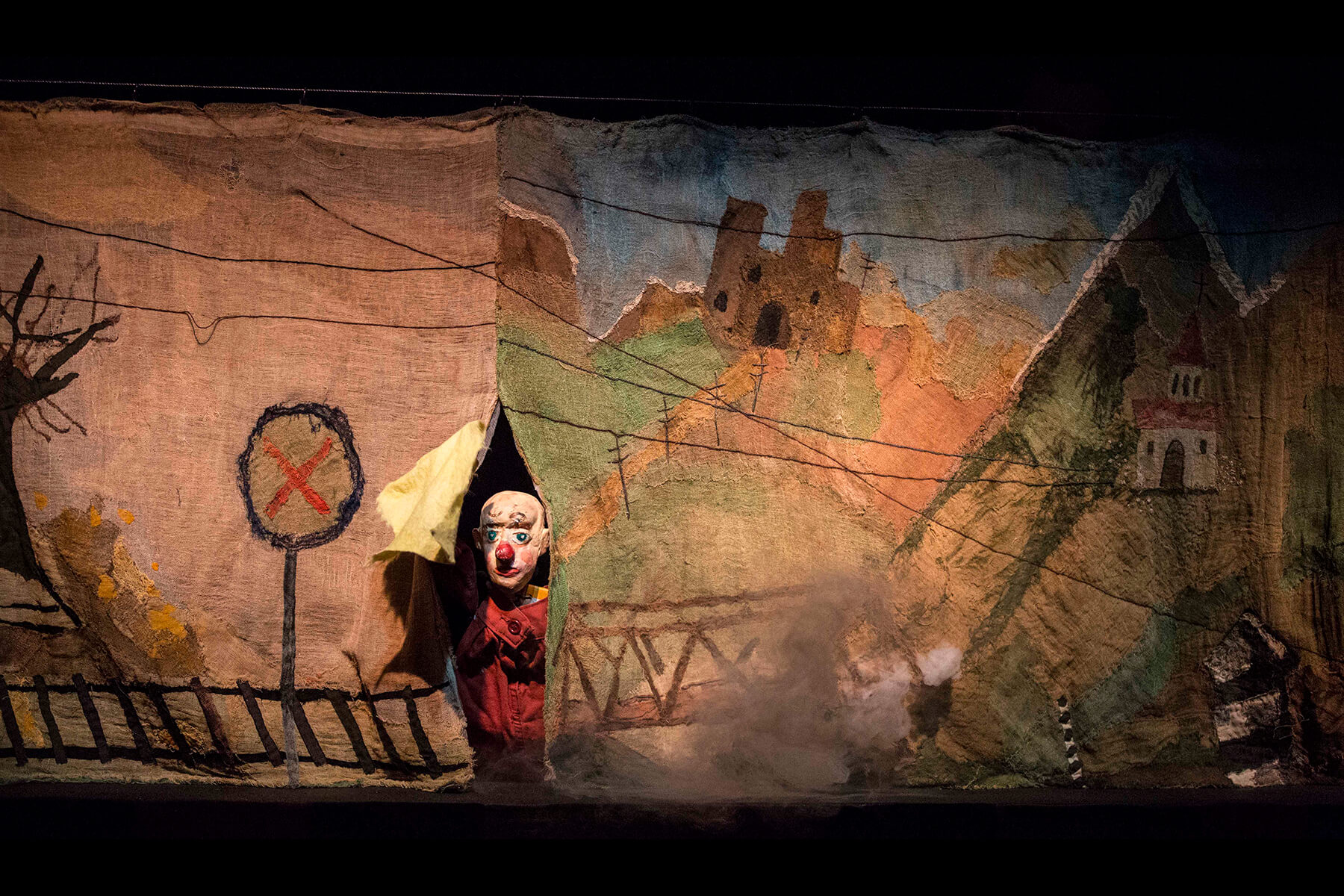
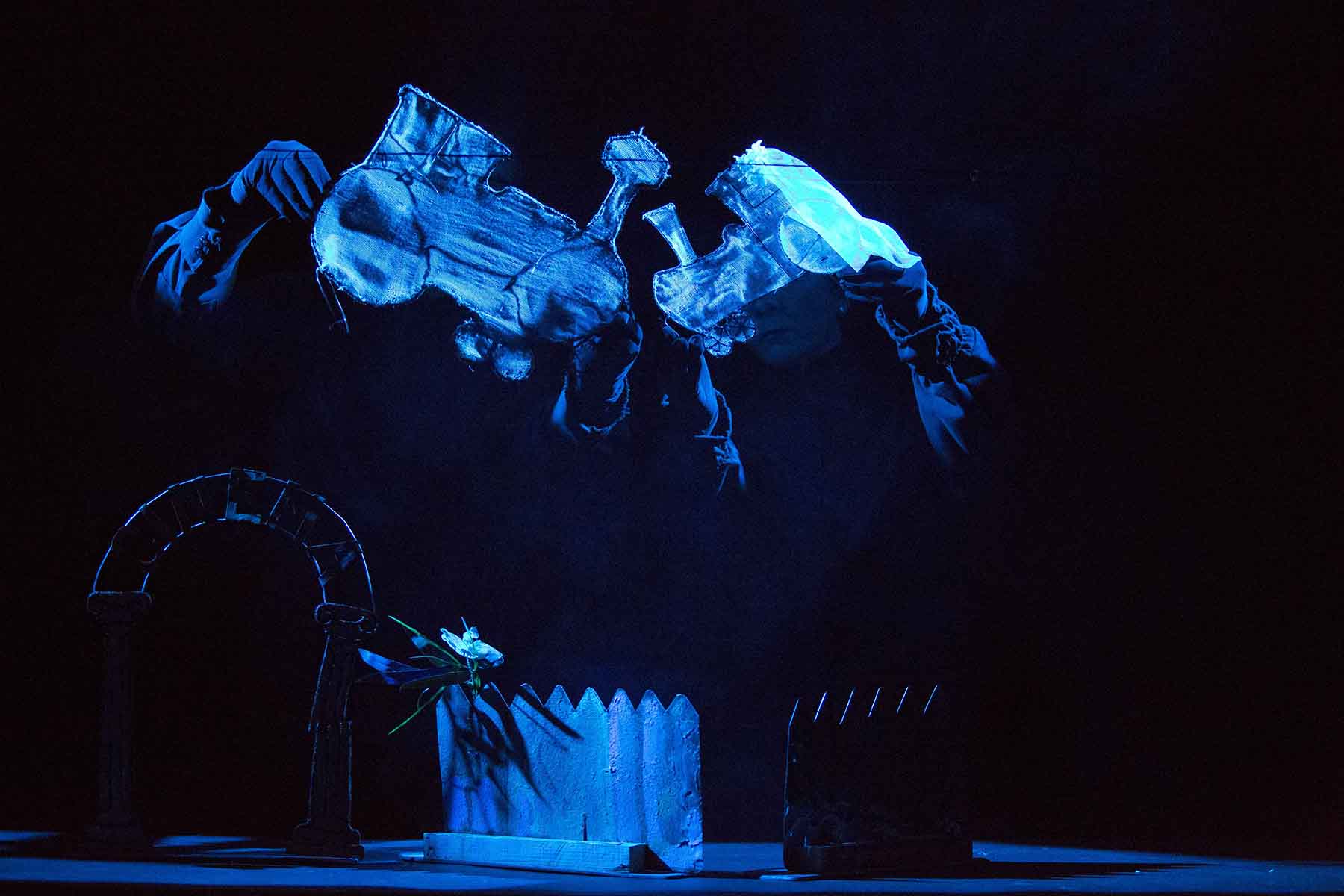
In Ramona, a production inspired by Georgian folk songs and set against an extraordinary backdrop created from discarded objects, the director and his puppeteers capture, in miniature, the joy and pain of a love and a past that are irretrievably lost.